
Electricity has long been the pulse of modern civilization. In 2025, that pulse is changing rhythm.
Across the globe, energy storage has become the cornerstone of the clean energy transition, serving as the critical bridge between renewable generation and reliable supply.
Solar panels and wind turbines cannot store sunshine or breeze. Energy storage solutions like batteries can. That simple fact is reshaping global energy systems, national policies, and corporate strategies. As nations race to decarbonize, storage is no longer a side technology; it is the backbone of a resilient, net-zero future.
The world is charging up, literally. In 2025, the global energy storage systems (ESS) market is estimated at nearly USD 295 billion, growing at close to 10% annually. Utility-scale projects dominate, but residential and industrial segments are catching up quickly.
Countries such as the United States, China, South Korea, and members of the European Union are witnessing record capacity additions. Policy frameworks are helping energy storage move from pilot-scale initiatives to mainstream infrastructure.
The reason is simple: energy volatility. As renewables expand, nations need storage buffers to balance variable generation. Storage ensures that solar energy harvested at noon can power homes at midnight. Beyond lithium-ion batteries, new technologies like flow batteries, gravity storage, and pumped-hydro systems are emerging as the next frontier of innovation.
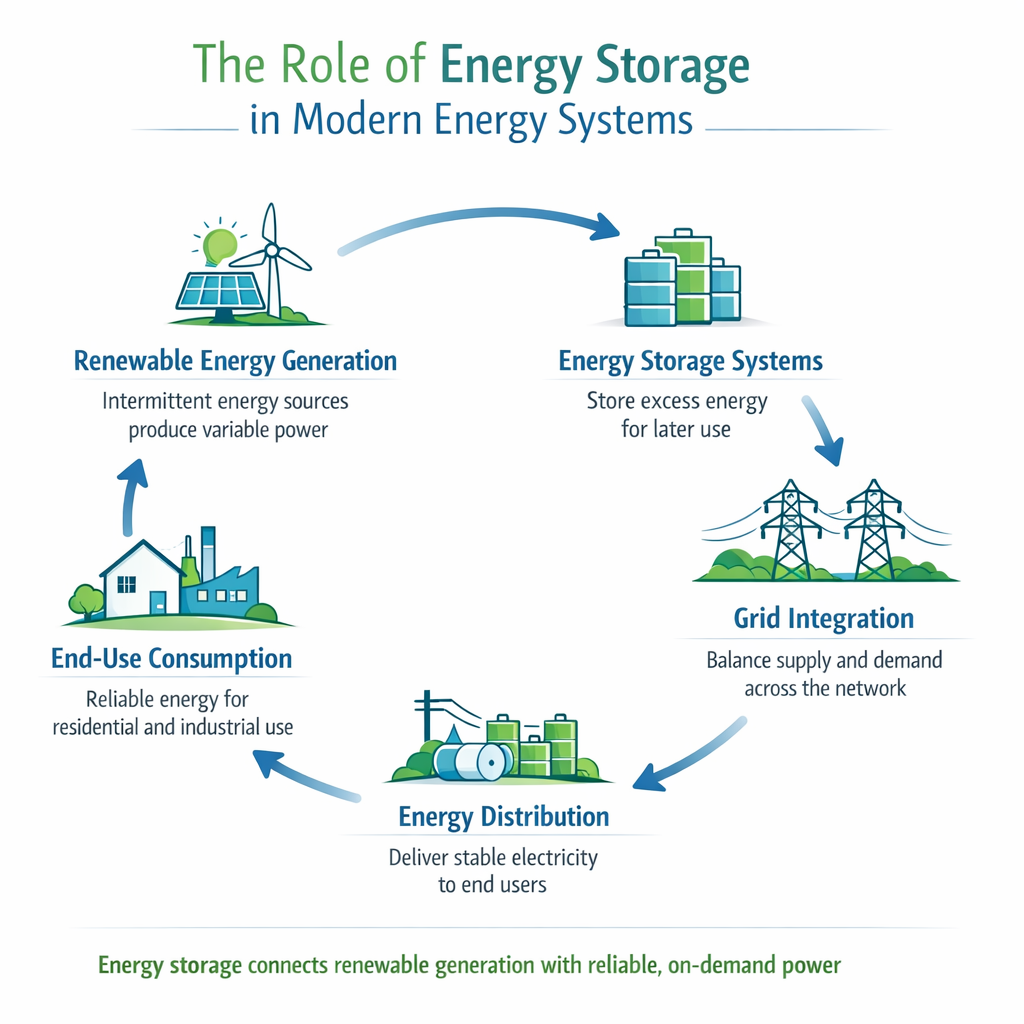
India’s clean-energy story is entering a decisive phase, one powered not just by solar and wind, but also by smart energy storage.
As renewable capacity grows, the country is realizing that generation alone is not enough; what matters most is how effectively energy can be stored and delivered when needed. Whether it’s ensuring power at night from daytime solar or maintaining grid stability during peak demand, storage is quickly becoming the missing link in India’s renewable puzzle.
This shift has already begun. The government has rolled out large-scale battery energy storage tenders, and new policy measures from the Ministry of New and Renewable Energy (MNRE), including transmission-charge waivers and viability gap funding, are encouraging businesses to invest in storage.
The result? A surge of interest from both Indian and global players looking to build lithium battery manufacturing plants, grid-scale storage systems, and even hybrid renewable-plus-storage projects. What was once a technical niche is now shaping up to be one of the most dynamic growth stories in India’s energy transition.
Simply put, India’s focus is shifting from producing more power to managing it more intelligently, and that shift is opening exciting new opportunities for professionals, innovators, and businesses alike in the energy efficiency space.
Why It Matters for Businesses and Professionals
Energy storage is not just a technological innovation; it is a strategic shift in how energy is produced, managed, and consumed.
Professionals who understand the varied aspects of technology, finance, and policy are slowly becoming indispensable. New roles are emerging across project development, energy economics, ESG strategy, and green finance Whether you work in energy, manufacturing, consulting, or sustainability, understanding storage means understanding the future of power.
The PG Executive Program in Net Zero Strategy & Sustainability Leadership, offered by IIM Kashipur in collaboration with evACAD, empowers professionals to lead in this evolving clean-energy landscape.
Here’s how the program connects directly to the energy storage revolution:
Participants gain the ability to evaluate storage economics, design policy-aligned strategies, and manage technology transitions with a systems-thinking approach.
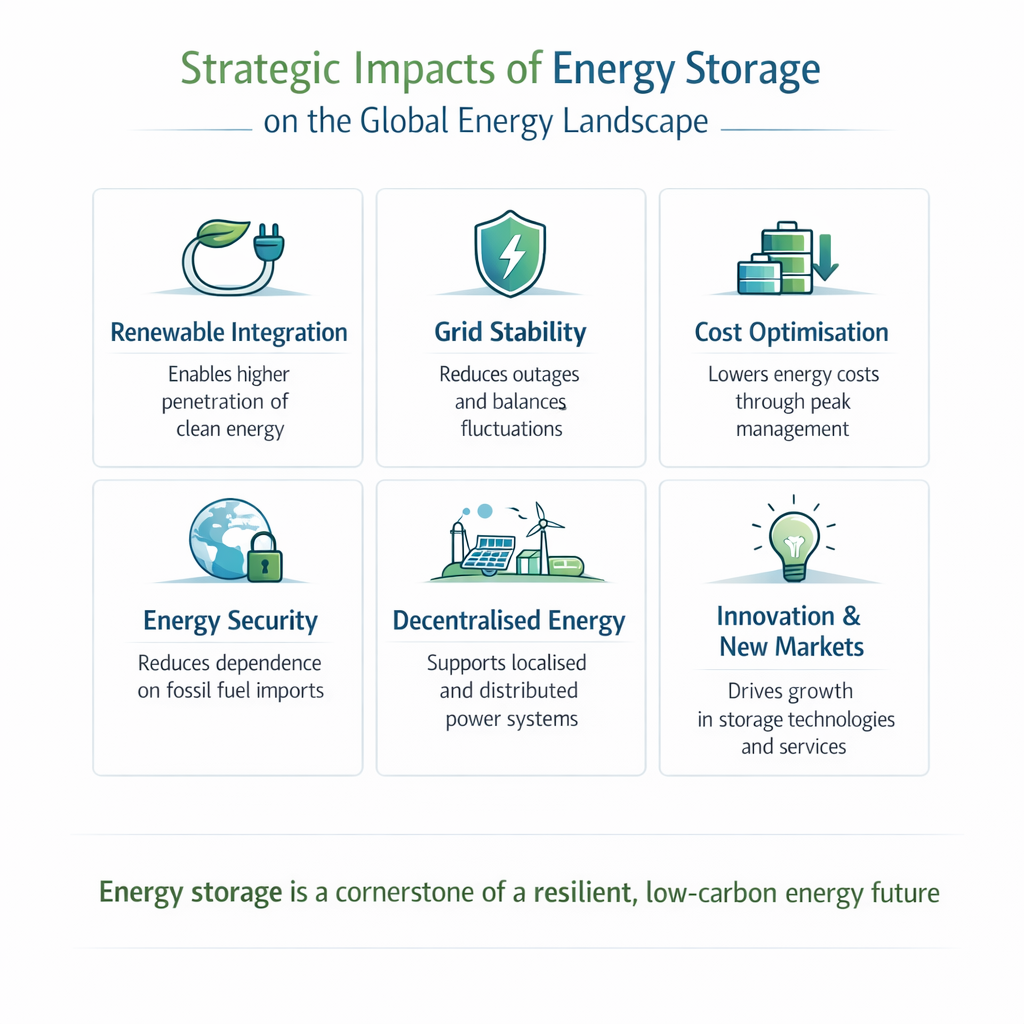
Energy storage is no longer niche; it has become the new normal of modern power management.
By 2030, the grid will belong to those who can balance renewable energy volatility with technological know-how and strategic foresight.
The IIM Kashipur and evACAD program is designed to fill this critical skill gap. It prepares professionals not just to participate in the clean-energy revolution but to lead it.
Final Word
The energy systems of tomorrow will be defined not by how much we generate, but by how intelligently we store and deploy energy. From India’s renewable corridors to global grid reforms, the future belongs to leaders who can integrate sustainability, technology, and strategy.
Are you ready to power that change? It begins with knowledge, leadership, and the right direction. Explore the PG Executive Program in Net Zero Strategy & Sustainability Leadership by IIM Kashipur and evACAD, and equip yourself with the skills the new energy era demands.


.webp)
.jpg)
.jpg)