
The world's energy system is changing. The transition from fossil fuels to renewables is creating new challenges in the generation and consumption of energy. Despite its advantages, solar and wind energy (the most abundant renewable resources) are variable and intermittent. There can be significant gaps in the generation of wind energy, and the sun is not always shining. The system is therefore at risk of losing stability and the world failing to achieve net-zero emissions.
This is where energy storage technology comes in.
Factors such as environmental conditions and time of day create variability and shifts in renewable energy generation. Solar power, for instance, has its maximum generation potential at noon, but most electricity demand is after sunset. Wind energy, on the other hand, is seasonally and geographically variable. Without energy storage, significant renewable energy generation will be lost during the critical, peak-demand hours.
The problem is not the supply of clean energy, but rather the timing of when it is available. Energy Storage systems close the gap by saving energy when it is abundant and then releasing it when it is low. This not only provides continuity but also improves the resilience of the grid, minimises energy wastage, and maximises the use of renewables.
Along with smart distribution and storage, achieving a net-zero world also requires clean generation. Energy storage is the backbone of the required transformation. It allows renewable energy systems to operate efficiently and consistently, regardless of the unpredictability of the weather.
Countries and corporations developing energy transition strategies are combining different energy storage systems with renewables to stabilise grids. For those professionals who want to understand this new direction, renewable energy and net-zero courses are key to acquiring skills in clean energy management, which is vital in the development of sustainable infrastructure.
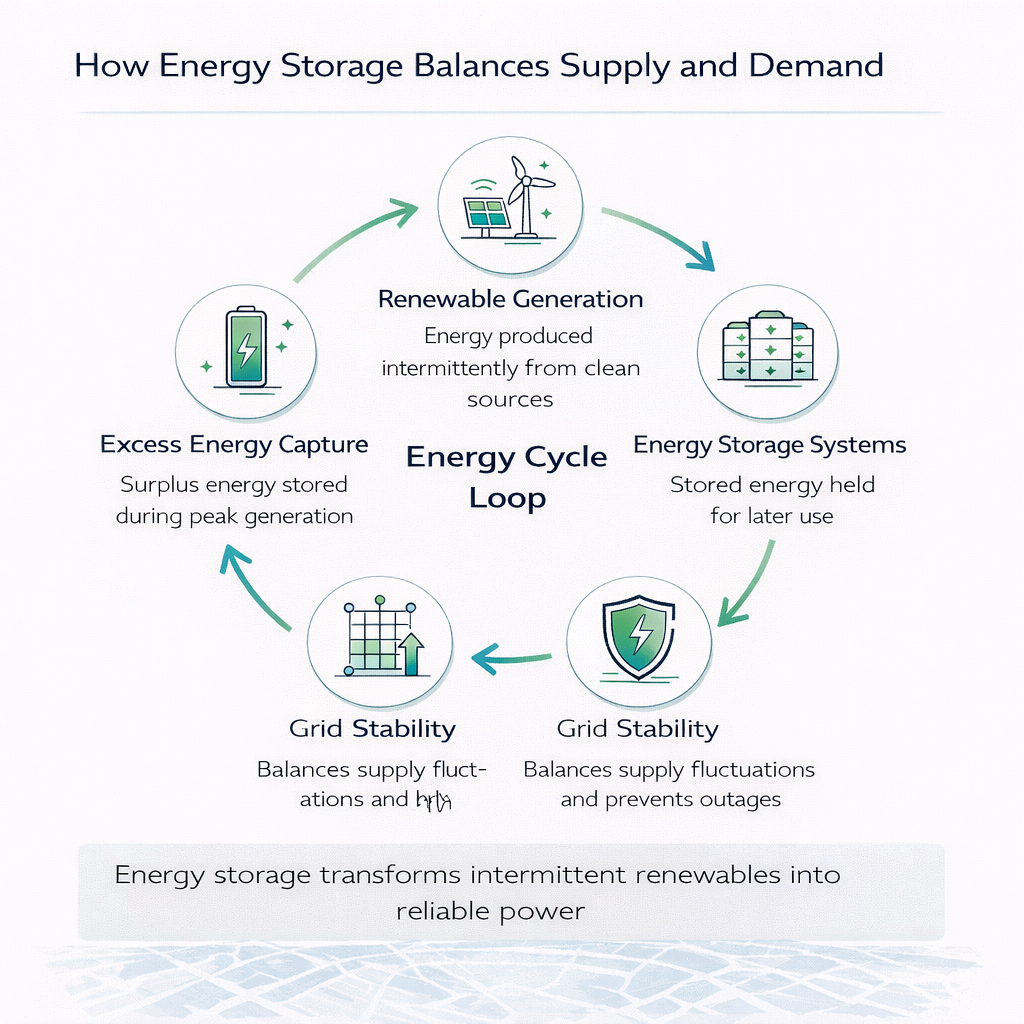
Lithium-ion batteries continue to dominate the storage technology market because of their quick load shifting capabilities and because of their energy concentration. These batteries are heavily used in electric vehicles and various consumer electronics and are deployed in a range of grid applications. Even though lithium-ion systems are efficient in providing short-term storage, there are issues like dependence on raw materials and short life cycles that create problems in long-duration operations.
Increased market attention regarding lithium-ion technology has shown the need to improve scalability and durability within battery systems leading to exploration of newer technologies. One such new technology in the domain of energy storage systems - flow batteries - are able to store energy in large quantities for long periods of time, making them optimal for providing balance to solar and wind energy generation on the grid.
Due to its low technology and operational requirements, Pumped Hydro Storage (PHS) is one of the first and largest built systems of energy storage. There are geographical and operational limitations that set the range of energy that can be stored and the efficiency that can be delivered. Once the site has been designed and structures built, there is very little energy wasted to accomplish the PHS cycle of pumping and releasing water.
Hydrogen storage technology is appreciated in the energy sector for its renewable energy storage conversions and for its long-duration storage and cross-sectoral energy uses - for transportation and industrial heating. With the ability to offset variances in energy generation and provide seasonal storage, its versatility can help act as a remedy for curtailed renewable energy and, more importantly, achieve net-zero targets.
Thermal energy storage systems, such as molten salt technologies, capture excess heat during the day and convert it to electricity during the hours of peak power use or during the night. Thus, TES significantly improves renewable power utlisation and is especially useful in integrated solar CSP technologies.
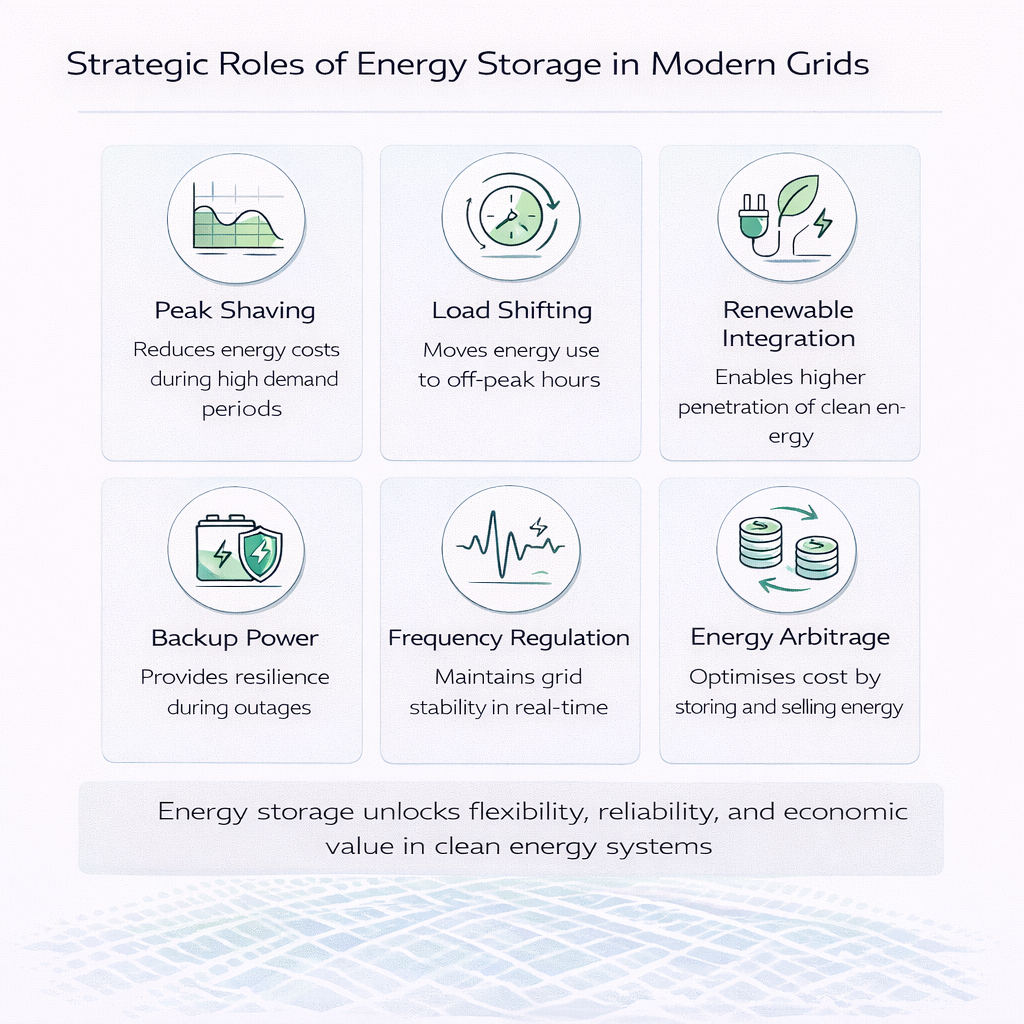
The potential of thermal energy storage is immense. However, integrating this into existing energy systems is complex. The existing energy power systems, whether central or distributed, require planned decentralization and conversion of renewable energy sources, which are not uniform, into usable power. Active and precise policies will promote planned decentralization of the existing energy power systems and ensure the capture of variable energy for use.
Moreover, the high initial expenses associated with large-scale storage technologies can hinder adoption. Still, the declining price of batteries, coupled with government encouragement and global policy changes to embrace clean energy, is rapidly beginning to shift the balance.
Additionally, to effectively tackle the intermittency issue, experts recommend hybrid energy storage systems (HESS), integrating short-term and long-term storage technologies, to provide both flexibility and capacity.
The energy workforce must change as energy systems change. Engineers, data scientists, and sustainability managers will need unique skills to design, operate, and optimise systems.
Towards this goal, completing courses related to net zero strategy and sustainability leadership offers professionals the technical and tactical skills required to manage grid storage, evaluate the carbon impact of projects, and drive sustainable innovation. These offerings boost skills and prepare participants for sought-after positions in energy management, climate tech, and infrastructure consulting.
Energy storage will transform from a “secondary technology” to the “primary technology” that will make a net-zero future possible. It will make clean energy reliable and scalable by decoupling supply and demand and addressing long-term decarbonization challenges.
The successful navigation of this energy transition will rely on understanding and implementing these systems as the world moves to renewable energy dominance. Those who will command the next decade will be the ones able to pair knowledge with innovation, with energy storage at the heart of this intersection.
At evACAD, we enable professionals and enterprises to spearhead the transition to sustainable energy and devise innovative solutions.
Take a look at the new courses we offer on renewable energy and net zero to acquire the competencies needed to construct the sustainable cities and infrastructure of the future.


.webp)
.jpg)
.jpg)